


Supermarket & Food to Go Fridges Fail Across the UK as Temperatures Rise
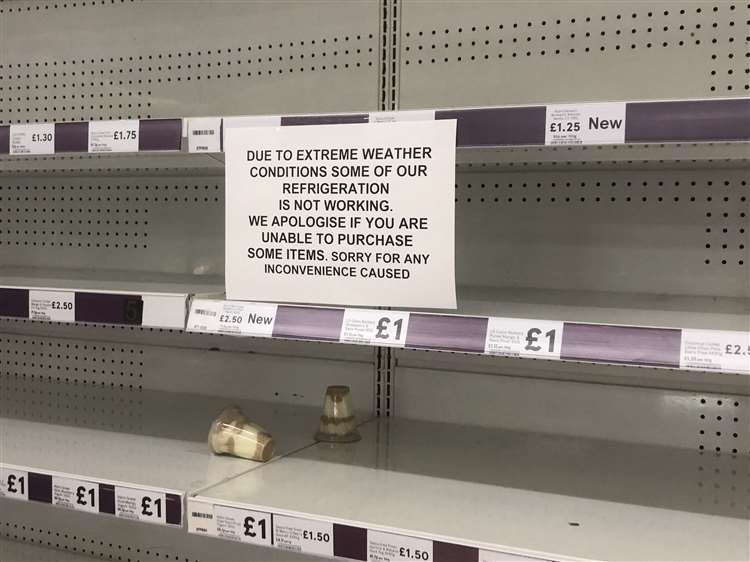 We have all seen the empty fridges in our local supermarkets, it’s even been reported by the national press that our refrigeration systems just can’t cope with the higher temperatures that we are now experiencing here in the UK.
Open fronted refrigeration cabinets often at the front of convenience stores, transport hubs and fuel stations offering you your grab and go lunch are the hardest hit. You would have to question if they can effectively maintain the temperature of the goods that they hold, at least below 8°c when the outside temperature is over 30°c!
Open-fronted cabinets struggle to control temperatures below 8°C in high ambient heat. Their efficiency depends strictly on their Climate Class rating and their environment; standard open units (often Climate Class 3) are designed for a maximum ambient temperature of 25°C and 60% relative humidity.
If the environment exceeds these thresholds, the "air curtain" (the invisible shield of cold air) collapses, causing the cabinet to fail to meet the 8°C legal food storage requirement.
What is the Danger Zone for Food?
The Food Standards Agency (FSA) defines the food danger zone as a window between 8°C and 60°C. The window is a danger zone for bacteria which provides the perfect climate for microorganisms to multiply. Potentially causing food poisoning, if the food is consumed.
The operator of these refrigeration systems is responsible for maintaining the fridges at a temperature below 8°C while food is stored/displayed within them.
So, what can you do if you run establishments that offer food to go from open fronted food displays? How can you ensure that the food you sell remains safe to consume?
|
|
|
|
|
If you have multiple fridges or freezers then these can also be monitored remotely via the Aranet T-Compact Temperature Sensor, Aranet Gateway Pro and a suitable Aranet Cloud subscription for the connection of up to 100 sensors.
Ask A Question
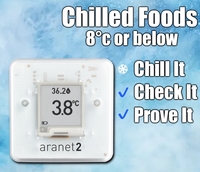 Aranet2 Home
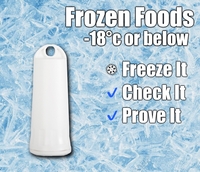 Aranet T Compact Sensor